Case / 2026Case / Petter Bülling / 2026
Petter Bülling
A new site that shows who he is.
About the project
A new website for the cinematographer Petter Bülling. From a template page with embedded players and an image grid, to a place where the films and the photographs take over. Easy to use, and unmistakably his.
01 / Starting point
Petter’s old site was a template: the films in embedded players, the photographs in a grid. It showed the work, but not him. The brief became three things: stronger, simpler and more his own.
A template page showed the work. It did not show him.
Petter Bülling is a cinematographer in Stockholm, working in music video, drama and commercials. His old site was built on a template: a classic layout, the films in embedded Vimeo players and the photographs in a grid.
There was nothing wrong with it, but it was limited. Adding a new project was fiddly and needed workarounds. And it looked like many other portfolios. It did not show what Petter sells: a visual language and an expression of his own.
The brief became three things. A stronger experience of film and photography. A site that is easy to use. And an expression that feels like his own. We sketched and prototyped in Figma, and Petter was part of it all the way.
02 / Ways of watching
Spotlight is a hand-picked list where every title changes the film behind it. The archive shows everything, year by year. And anyone who wants to can see the whole site in negative, as in a darkroom.
The same work, several ways to see it.
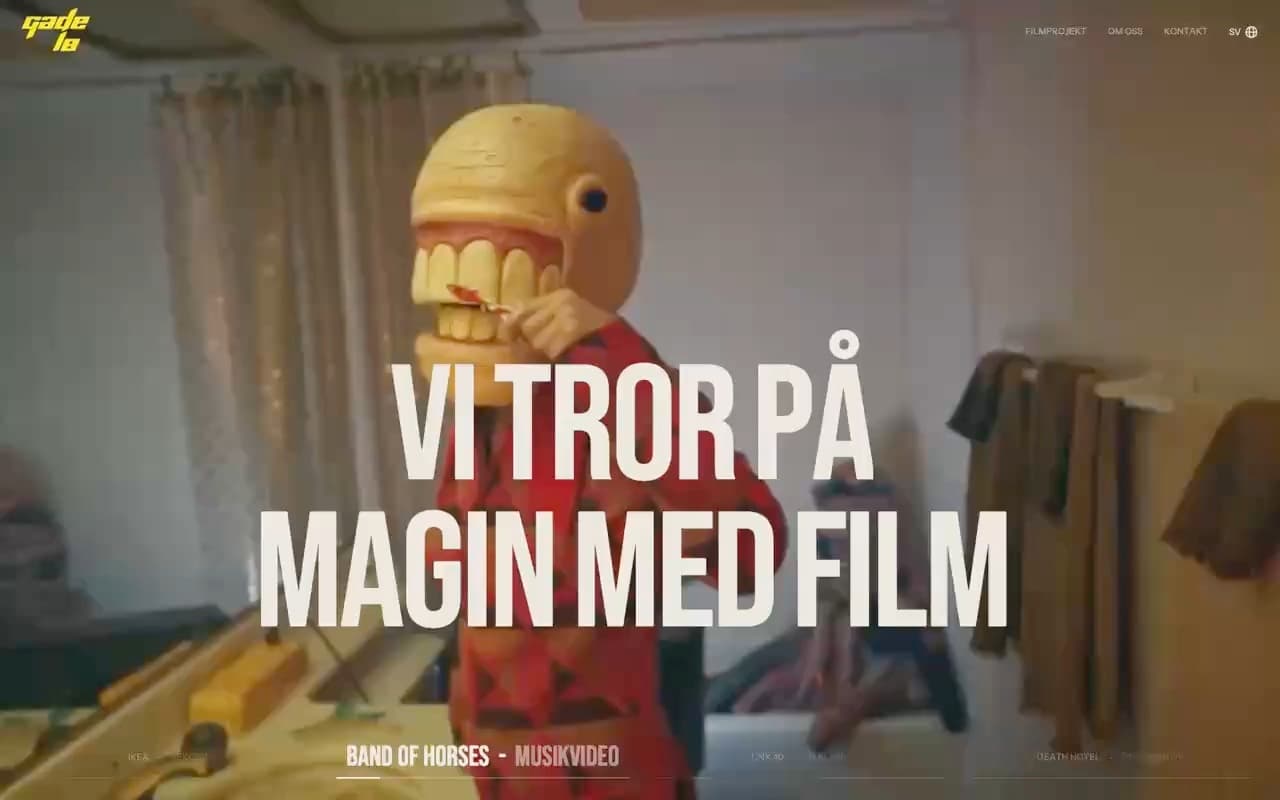
Spotlight is the front page: a hand-picked list, sorted into music video, narrative and commercial. When the pointer passes over a title, the film playing behind the list changes, so the visitor sees the work before anything is clicked.
Archive shows everything, year by year, as moving frames. It is the view for anyone who wants to see the range.
A project opens in a player of its own that fills the page. The controls are few and written in the handwriting. Under the film it says who made it and what it was shot on.
Anyone who wants to can also see the whole site in negative, the films too, as when film is developed in a darkroom. It is a nod to how film and photography used to be made.
- Ink#090909
- Brick darkest#2D0808
- Brick#981C1C
- Paper dark#D7CFBB
- Paper#E6E1D5
- White#F5F3EE
HeadingsHeadings
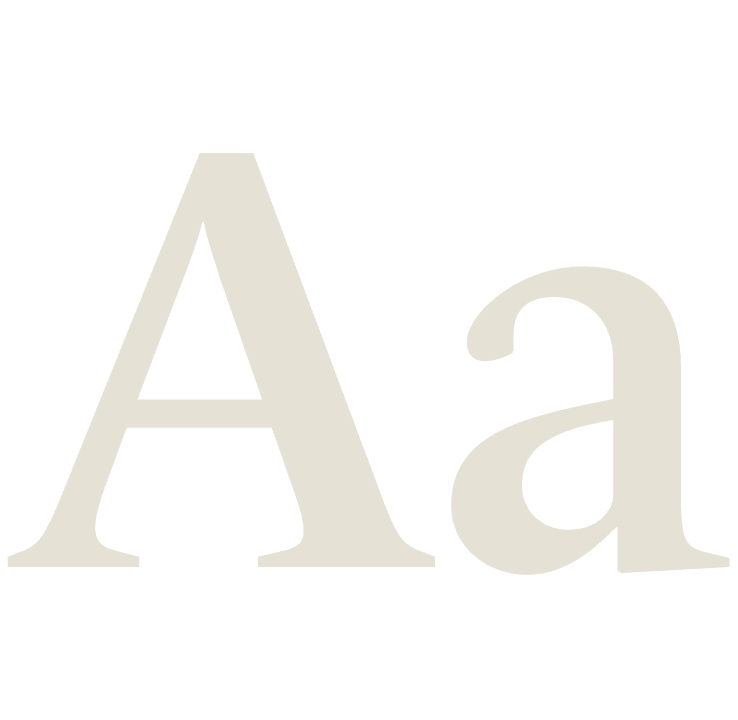
Le Monde Livre
Lists, controlsLists and controls
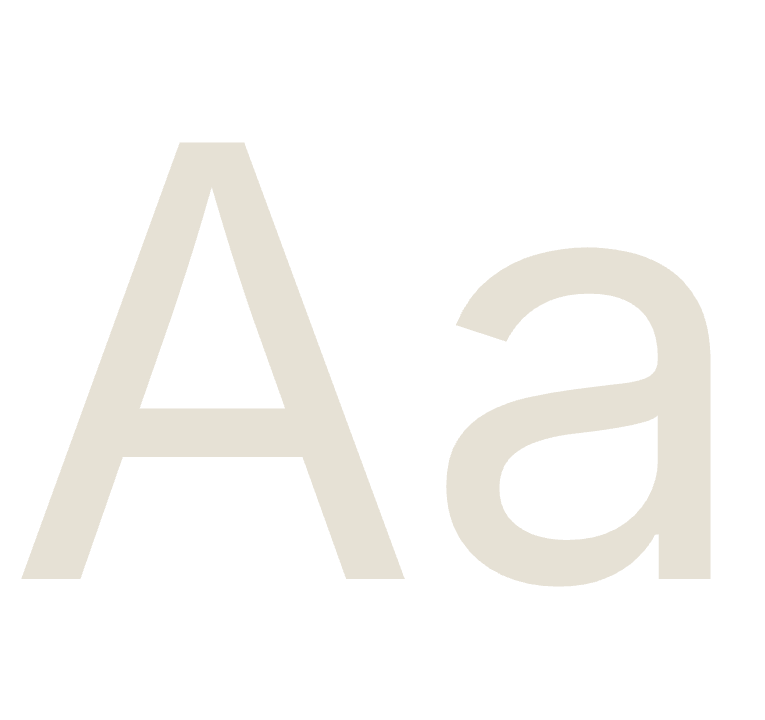
Inter
The handwriting
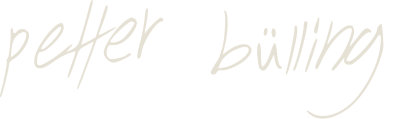



His younger brother’s handwriting
03 / The identity
The handwriting is the voice of the site: the signature, the menu and the buttons of the player. Around it everything is calm, with ink, paper and brick red, a book typeface and Inter.
His younger brother’s handwriting became the voice of the site.
The handwriting is his younger brother’s. Petter asked him to write the words by hand, and we brought them onto the site as vectors, so that they stay sharp at every size. It is used sparingly and only where it means something: the signature, the choice between Film and Photo, Contact me and the buttons of the player. Around the chosen control there is a hand-drawn ring.
The colours are few: ink, paper and brick red, in six steps from Ink to White. They stay in the background, so that the films and the photographs carry the colour.
We chose the typefaces together with Petter. Le Monde Livre, a book typeface, sets section headings and project titles in capitals. Inter carries lists and controls, with the title in capitals and the subtitle in italics.
“It is my younger brother’s handwriting. I asked him to write it, and it feels really good. I am very proud of that detail.”
04 / The photo book
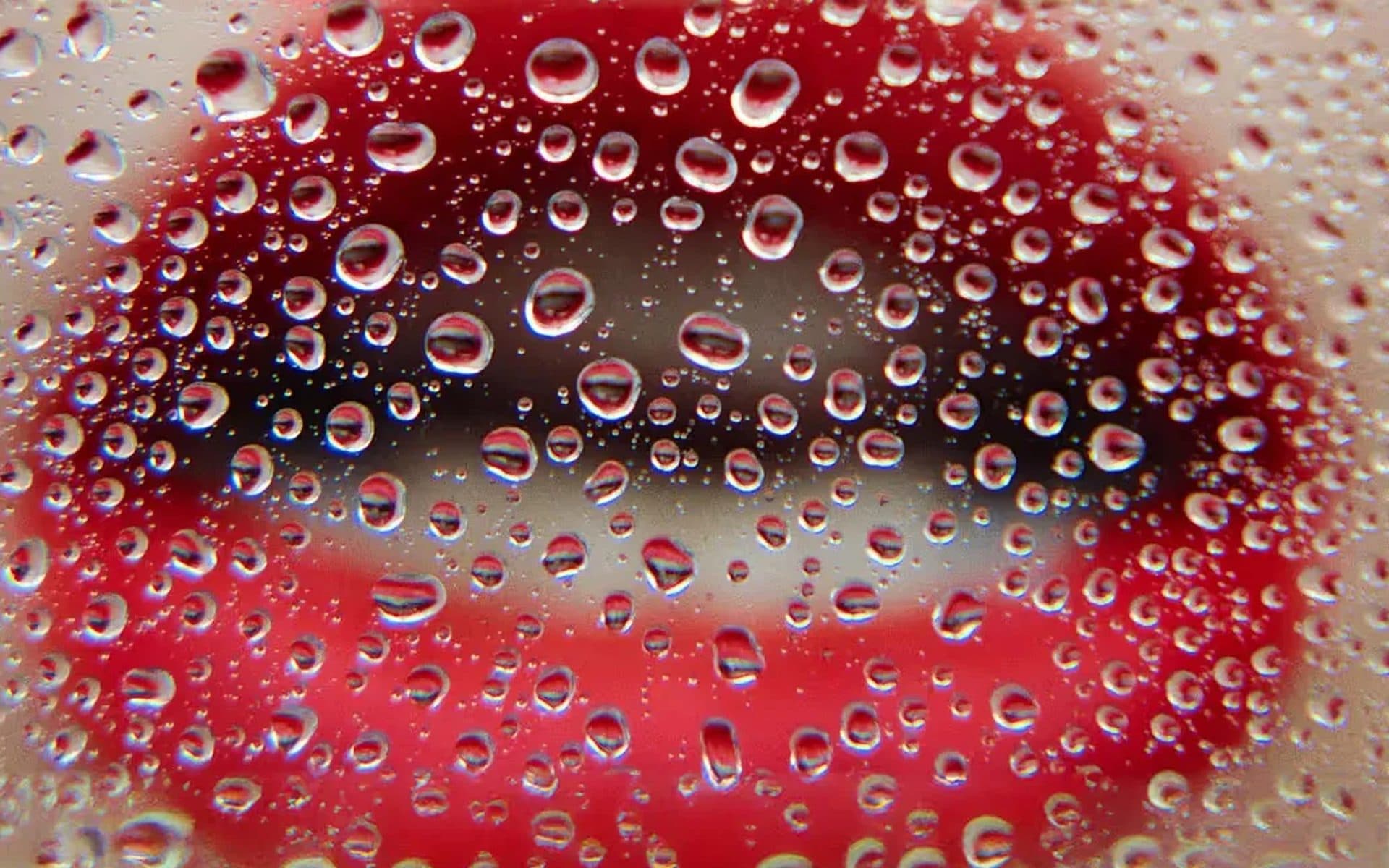
In photo mode the pictures lie in a stack, like prints on a table, and every title puts its picture on top. A project opens like a spread from a photo book.
Photographs you leaf through, not a grid.
Photo has a view of its own. Instead of a grid the pictures lie in a stack, like prints on a table, and every title in the list puts its picture on top.
A project opens like a spread from a photo book. The pictures have different sizes and places on the page, with air around them, and the rhythm changes from spread to spread. At the end it says who took part and what the pictures were shot on.
05 / On mobile
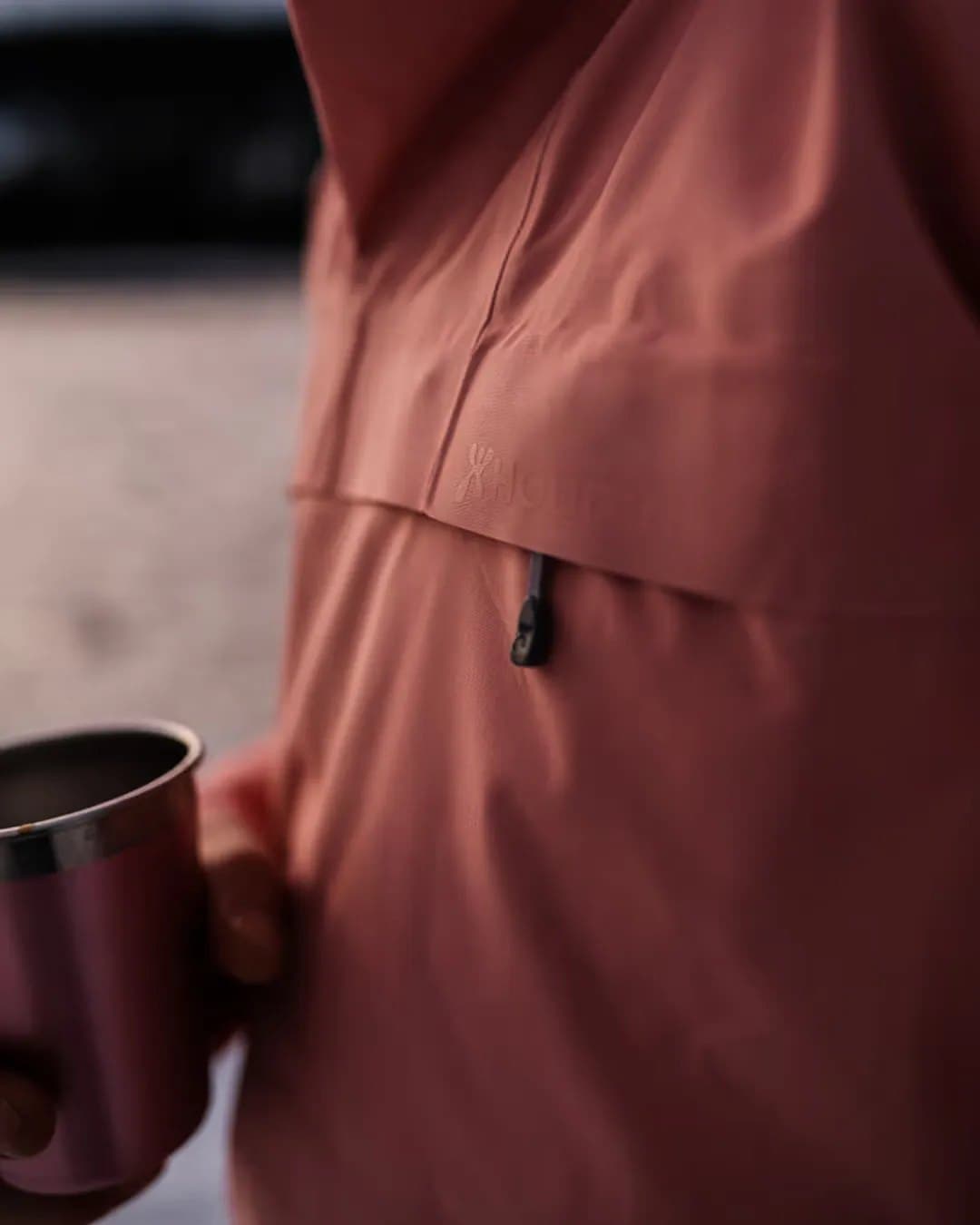
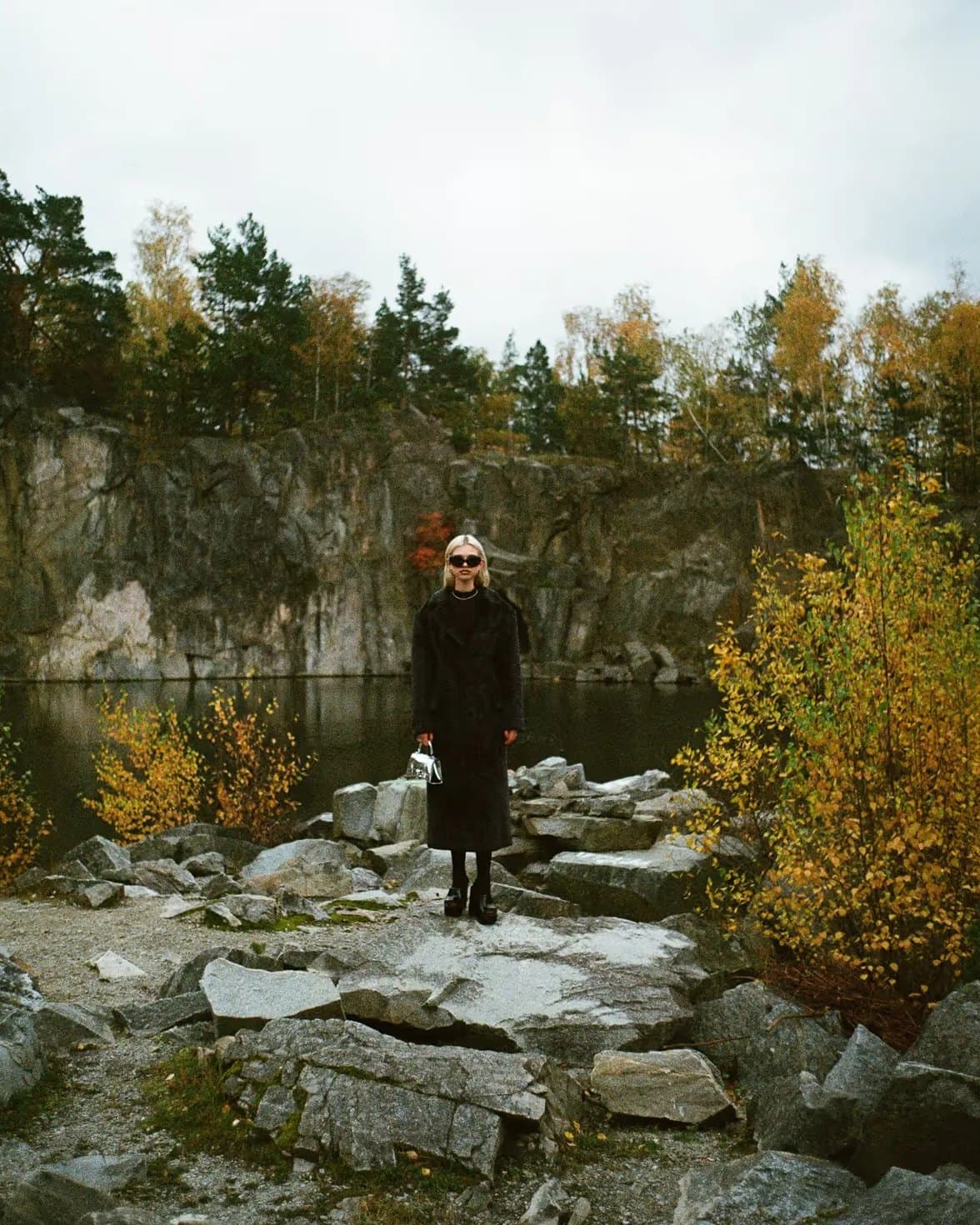
On mobile the list becomes a feed of moving frames, year by year. Film, photo and the page about Petter are all there, with the handwriting at the top.
The same feeling in the hand.
On a phone there is no pointer to change the film behind a list. So the front page becomes a feed of moving frames, year by year, and a tap opens the project.
Film and Photo, the player, the photo projects and the page about Petter work the same way as on a larger screen. The handwriting sits at the top of every page.
06 / In his words
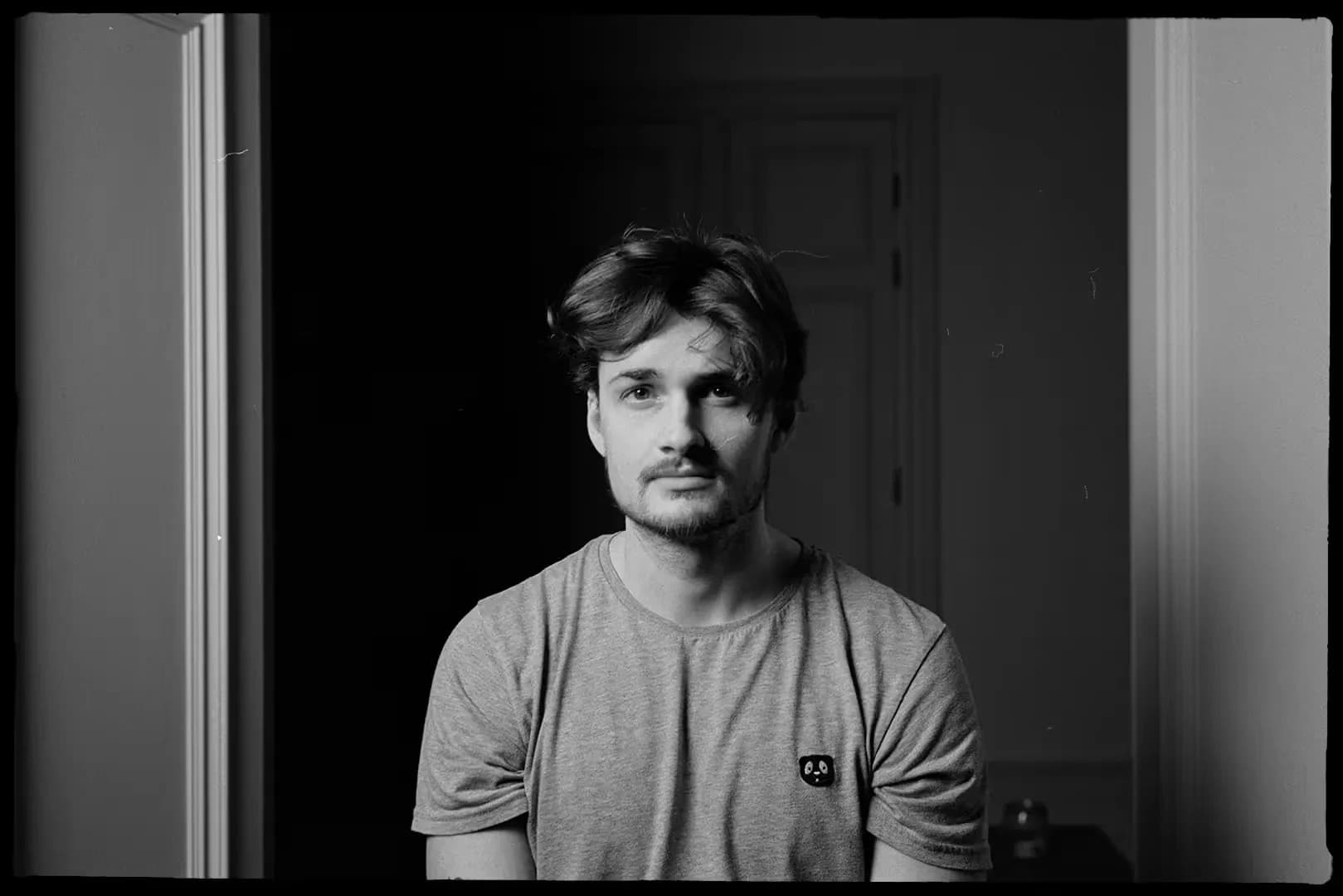
“The playfulness, that you can customise it, the attention to detail. All of those parts, that is me to my fingertips.”
Petter Bülling, cinematographer, on how the site feels like him.
I am made up of many parts. Family is important to me, friendship is important, and I am a very visual person.
The site is small pieces of many different parts, and all the parts that make me run through it. The playfulness, that you can customise it, the attention to detail. All of those parts, that is me to my fingertips.
At a glance
One of us, all the way.
- Petter Bülling, cinematographer (Director of Photography), Stockholm
- Build (website): concept, design, prototype and development
- 8 weeks, launched 2026
- Concept and sketches · Prototypes in Figma, with Petter in the process · The handwriting brought onto the site · Design and development in Next.js · Film and photo, Spotlight and Archive · Swedish and English · Mobile version
- Julius, all the way
- The site has just launched. People in the industry praise it: good-looking, easy to find your way around and professional, according to Petter.
More projects
Where it begins
Tell us what needs to change.
A first conversation with Julius and Line. You need neither a brief nor a finished idea. We listen, ask questions and work out where you stand.
What happens next
You send a few lines about yourselves.
Two minutes.
We reply within a few days.
With a few times to choose from, online or in person.
We meet for 60 minutes.
We listen, ask questions and get a feel for where you stand.
You get a short proposal.
Where you stand today, what we'd recommend next, and what working together could look like. You're entirely free to decide whether to go further.